
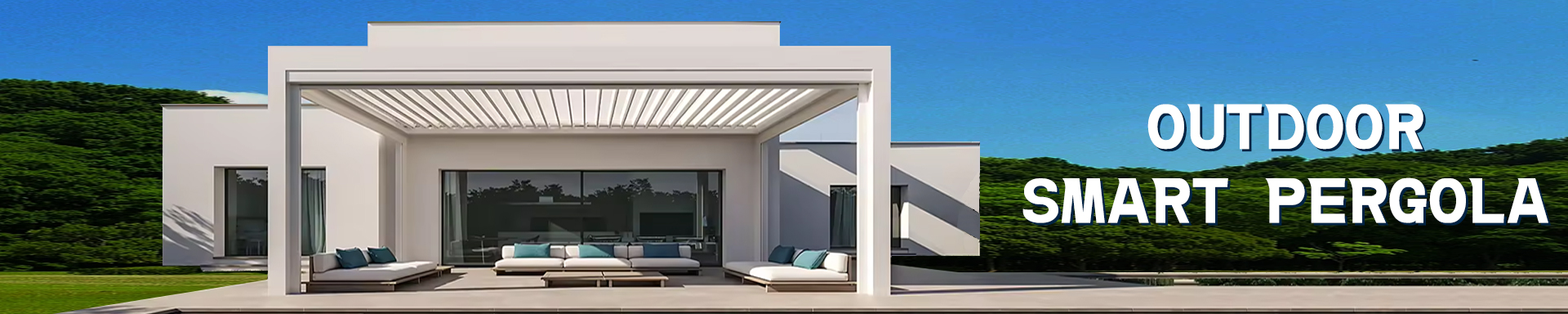
A sunroom is one of the most valuable home upgrades for European homeowners. It seamlessly connects indoor comfort with outdoor nature, expands functional living space, and increases residential property value without large-scale structural renovations. However, most households struggle with a critical choice: a three-season sunroom or a four-season sunroom. A mismatched selection often leads to wasted budgets, seasonally unusable space, persistent condensation issues, and unnecessary energy waste.
Unlike generic North American sunroom guides, European sunroom selection must prioritize regional climate differences and local building codes. From the freezing, frosty winters of Northern Europe and temperate four-season conditions in Central Europe to the mild, sunny Mediterranean winters in Southern Europe, no one-size-fits-all solution applies. This expert guide breaks down structural differences, climate adaptability, compliance rules, common pitfalls, and long-term ROI to help you make a data-driven decision for your European property.
1. What Is a Three-Season Sunroom?
A three-season sunroom is a lightweight, semi-insulated home extension designed for comfortable use across spring, summer, and autumn. It is the most cost-effective option for European homeowners who want extra natural light and leisure space without full-year climate control.
Built with standard double-pane glass, basic wall and roof insulation, and durable uPVC or aluminum frames, this sunroom type focuses on ventilation and daylight rather than extreme weather resistance. It effectively blocks wind, rain, and insects but fails to stabilize indoor temperatures during harsh winter frost or intense summer heatwaves. Without integrated HVAC systems, it cannot maintain consistent indoor comfort in peak cold or hot seasons.
For European households, three-season sunrooms serve as ideal transitional spaces for casual relaxation, seasonal dining, and plant display from March to November. Most low-profile three-season structures are exempt from complex building permits in Southern and Central Europe, featuring fast installation and minimal disruption to residential life.
2. What Is a Four-Season Sunroom?
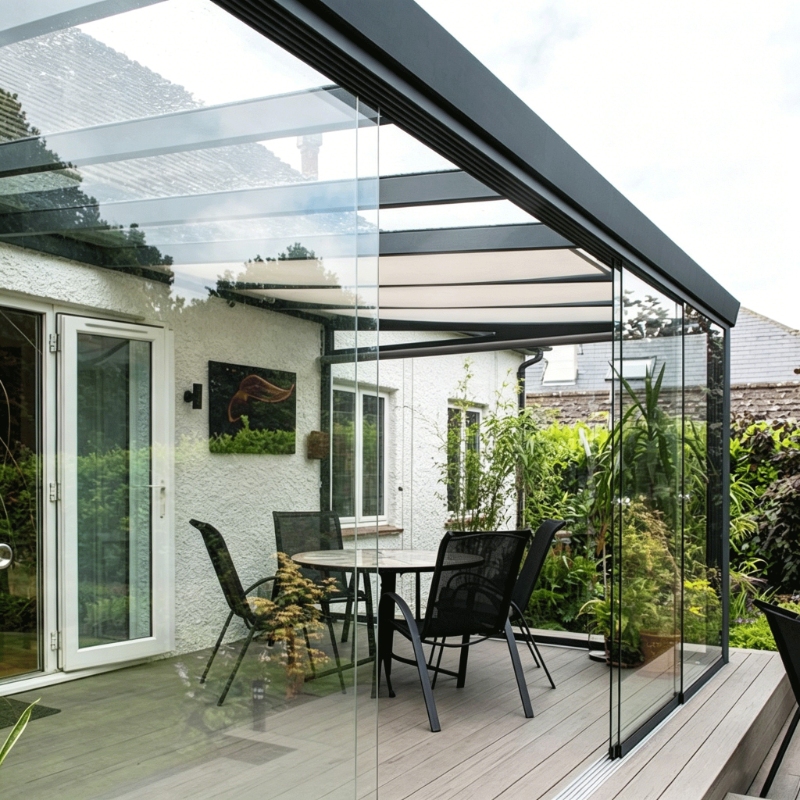
A four-season sunroom is a fully insulated, structurally reinforced living space engineered for 365-day year-round usability, matching the thermal performance and comfort level of your home’s primary indoor rooms.
It adopts premium industry-grade materials compliant with EU energy standards: triple-pane Low-E glass, thermally broken frames, fully insulated wall, roof, and floor systems, and airtight sealing technology. This robust structure delivers stable thermal regulation, resisting freezing Northern European winters and sweltering Mediterranean summers. Most four-season sunrooms support seamless integration with residential heating, cooling, and ventilation systems.
As a formal home expansion, four-season sunrooms require certified construction and official building permits in most European countries, especially Northern Europe. Despite higher upfront costs, they provide permanent functional value, serving as home offices, dining lounges, family recreation areas, and all-season greenhouses, while boosting long-term energy efficiency and property resale value.
3. Core Differences: 3-Season vs 4-Season Sunroom (EU Building Standards)
Tailored to European climate characteristics and local building norms, the key differences between the two sunroom types are clearly outlined below:
Annual Usability: Three-season sunrooms offer comfortable use for 7–9 months per year; four-season sunrooms support full-year use in all weather conditions.
Thermal Insulation (U-Value): Three-season models have basic insulation with U-values of 0.5–0.7, failing EU winter energy-saving requirements; four-season models feature premium insulation with U-values below 0.3, fully complying with European thermal efficiency standards.
Structural Materials: Three-season sunrooms use lightweight ordinary frames and standard double-pane glass; four-season sunrooms adopt thermally broken reinforced frames, triple Low-E glass, and full envelope insulation.
HVAC & Moisture Control: Three-season sunrooms do not support permanent heating or cooling and are prone to condensation in cold weather; four-season models integrate with home HVAC systems and professional anti-condensation sealing.
Cost & Compliance: Three-season options feature low upfront costs, fast installation, and permit exemptions in most EU regions; four-season options require 30–50% higher investment, professionally certified construction, and mandatory building permits in Northern Europe.
4. European Climate Zone Matching: Which Sunroom Fits Your Location?
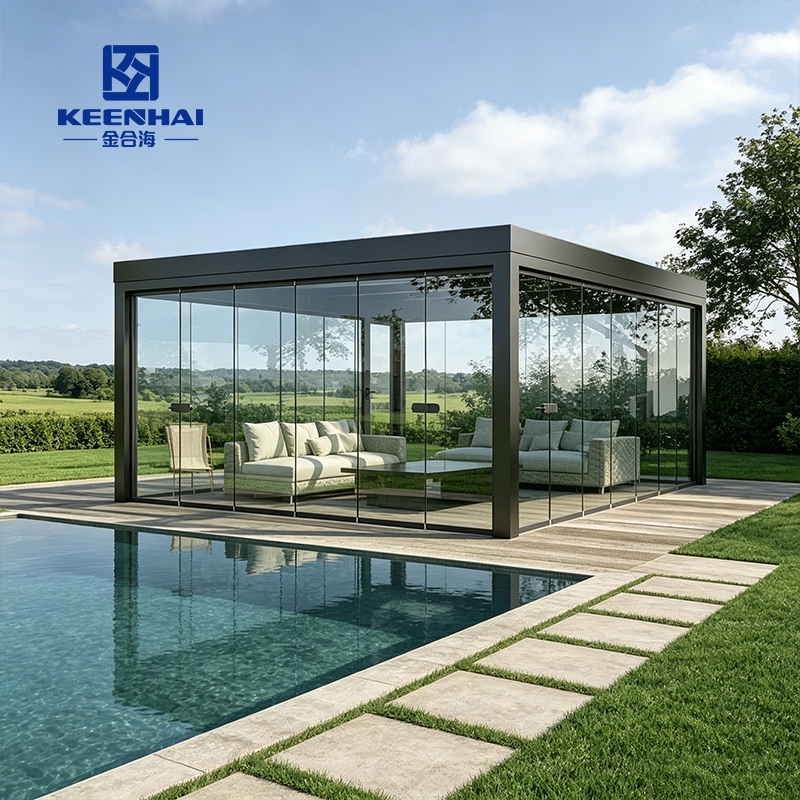
Europe’s diverse climate zones are the core factor for sunroom selection. Below is precise, region-specific guidance for major European areas.
1. Southern Europe (Mediterranean Climate: Spain, Italy, Greece, Portugal)
Southern Europe features mild, frost-free winters and dry, sunny summers. For over 90% of local households, a three-season sunroom is the most cost-effective choice. The mild winter climate enables year-round basic usability, while the lightweight ventilated structure effectively avoids summer overheating. Homeowners can save unnecessary high-end insulation costs without sacrificing daily usage experience.
The only exception is high-altitude mountainous areas with occasional winter frost, where an upgraded four-season insulated sunroom is recommended.
2. Central Europe (Temperate Climate: Germany, France, Poland, Belgium)
Central Europe has distinct four seasons, with cool, rainy springs, warm summers, crisp autumns, and frosty winters. It is a flexible selection zone. Budget-focused homeowners pursuing seasonal leisure space can choose three-season sunrooms for spring-to-autumn use. For families needing permanent extended living space, home offices, or winter activity areas, four-season sunrooms are worthy investments, effectively solving heat loss and condensation problems caused by insufficient seasonal insulation.
3. Northern Europe (Subarctic & Oceanic Climate: UK, Sweden, Norway, Finland, Denmark)
Northern Europe has long, bitterly cold winters and short, cool summers with low annual temperatures. Four-season sunrooms are the only practical and compliant option here. Ordinary three-season sunrooms cannot withstand severe frost and cold winds, leaving them unusable for 3–5 months each year. Professional full insulation and airtight design stabilize indoor temperatures, maximize limited winter sunlight, and eliminate the common Northern European household pain point of sunroom frost and condensation.
5. Common European Sunroom Buying Mistakes to Avoid
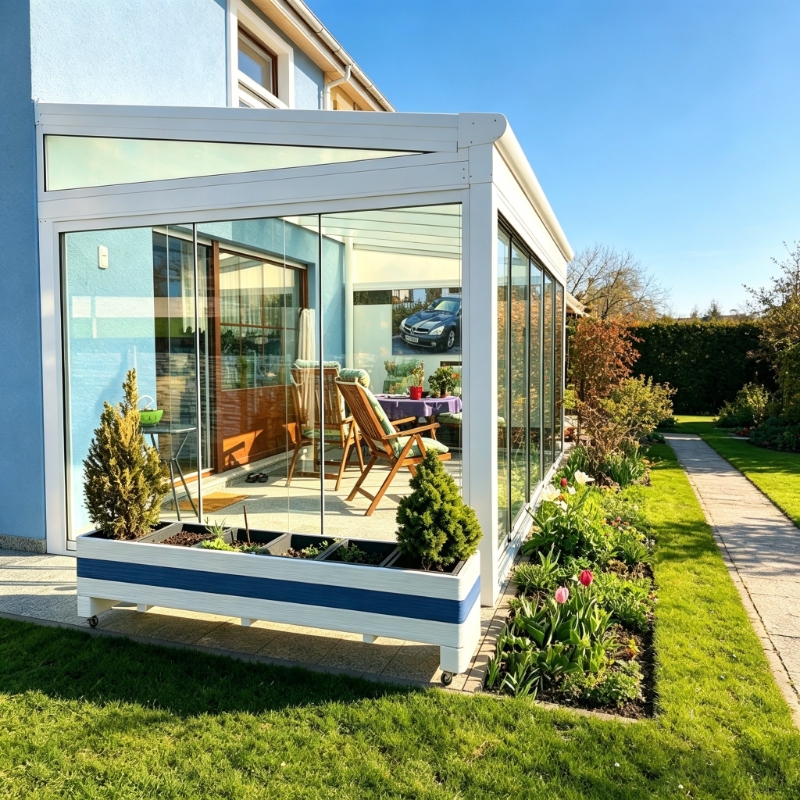
Most sunroom failures in European homes stem from mismatched climate selection, not poor installation. These top pitfalls are critical for homeowners to avoid:
Over-investing in Southern Europe: Installing high-priced four-season sunrooms in Mediterranean regions wastes money on redundant insulation functions that are never required.
Under-insulating in Northern Europe: Choosing budget three-season sunrooms in Nordic areas leads to winter space abandonment, recurring condensation, mold growth, and shortened service life.
Ignoring local compliance rules: Four-season sunrooms in Northern Europe require strict energy certification and construction permits; unapproved structures may face rectification or property value losses.
6. Cost & ROI Analysis for European Homeowners
Three-season sunrooms are ideal entry-level options with low material and labor costs and negligible early maintenance fees. They suit budget-limited homeowners, short-term residents, and those testing sunroom living. The only drawback is limited annual usability and modest property value improvement.
Four-season sunrooms have a 30–50% higher upfront budget but deliver superior long-term ROI. In European real estate markets, certified four-season sunrooms are recognized as formal indoor space expansions, directly boosting property resale value. Their high energy efficiency also cuts annual heating and cooling expenses, gradually offsetting initial investment differences within 3–5 years.
FAQ
1. Are four-season sunrooms worth the investment in Europe?
Yes, especially for Northern and Central European homes. Four-season sunrooms provide year-round functional space, reduce long-term energy bills, and add tangible property value, delivering stable ROI for long-term residents.
2. Can you use a three-season sunroom in European winter?
Only in low-altitude Southern Mediterranean regions. In Central and Northern Europe, three-season sunrooms cannot resist frost and low temperatures, making them unusable in winter.
3. Do sunrooms cause condensation and mold issues?
Three-season sunrooms with poor sealing frequently have condensation problems in cold seasons. Certified four-season sunrooms with airtight insulation effectively avoid mold and dampness issues.
4. Do sunrooms add value to European homes?
Yes. Professionally built four-season sunrooms bring higher property appreciation, while three-season sunrooms only provide limited leisure value with a minor market premium.
How to Choose?
Choose a Three-Season Sunroom if: You live in Southern Europe’s mild Mediterranean climate; you only need seasonal leisure space; you have a tight budget; you prefer fast installation and permit-exempt construction.
Choose a Four-Season Sunroom if: You reside in Northern Europe or high-altitude cold areas in Central Europe; you need year-round home offices, dining, and family living space; you pursue long-term energy savings and property appreciation; you want standard-compliant, fully functional home extensions.
Conclusion
European sunroom selection is fundamentally a climate and compliance matching decision, not a simple budget choice. The optimal solution balances upfront cost, annual usability, energy efficiency, local building regulations, and long-term home value. By aligning your sunroom type with your regional climate features, you can avoid common investment pitfalls and enjoy comfortable, durable sunroom space for decades.
Not sure which sunroom fits your European property? Contact our professional team for customized climate-based sunroom selection and compliant construction solutions tailored to your location and budget.